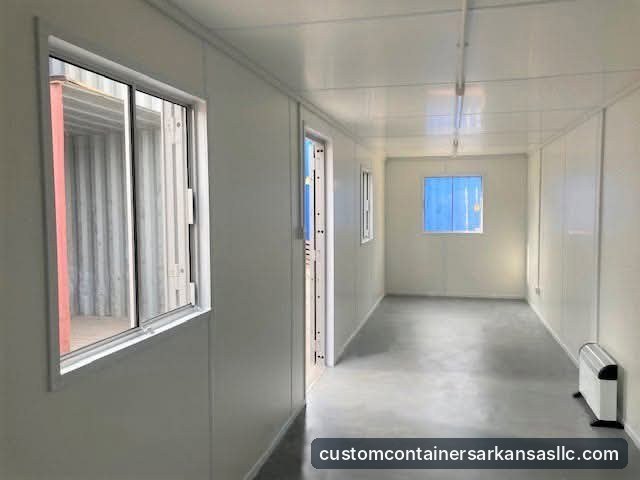
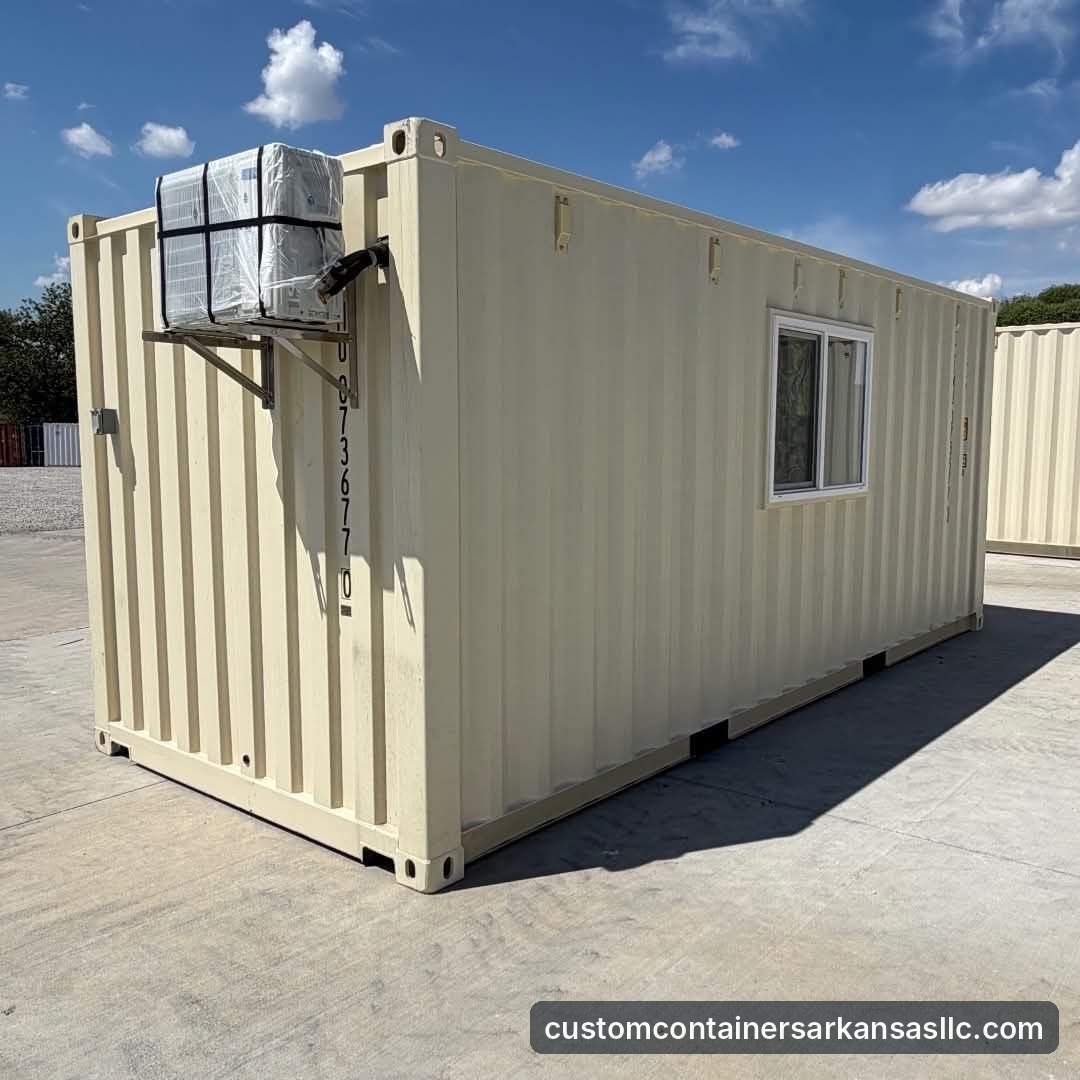
Buying a used shipping container is usually a practical way to get secure, wind and watertight storage space without paying for a new one. But "used" covers everything from a box that crossed the ocean once to one that has spent years on ships and in ports. A careful ten-minute inspection, in person or through good photos, tells you whether the container in front of you matches what you are paying for.
This guide walks through what to check, in the order most people do it: paperwork and plates first, then the outside, the doors, the inside and the floor. Use it whether you are buying from us or from anyone else.
Start with the grade you are being offered
Before you look at the steel, be clear about the condition grade on the quote. Most used containers are sold as one of three grades:
- One-trip: shipped once, close to new, with clean paint and very little wear.
- Cargo-worthy (CW): used, structurally sound and still fit to carry freight.
- Wind and water tight (WWT): used, keeps the weather out, and shows more cosmetic wear such as dents, patches and faded paint.
The grade sets your expectations. Dents and patchy paint are normal on a WWT box and not a reason to reject it, while the same marks on a one-trip container would be. Our page on containers for sale explains each grade and which jobs it suits.
Check the CSC plate and container number
Containers built for international shipping carry a CSC safety approval plate, required under the International Convention for Safe Containers (IMO). It is a small metal plate, usually on the left-hand door. Look for:
- the date of manufacture, which tells you the container's age
- the maximum operating gross weight and the allowable stacking weight
- a maintenance examination date or scheme number, if the box is still in service
A missing or unreadable plate is common on older storage containers and doesn't mean the box is unsound. It does matter if you plan to ship cargo in it, because a container in international transport needs a valid plate.
Also note the container number painted on the doors and roof: four letters followed by seven digits. It should match the number on your paperwork, so you know the unit delivered is the unit you were shown.
Walk around the outside
Stand back first and look along each long side. The walls should be straight, with the corrugation running evenly from end to end. Then get close and check:
- Rust. Light orange surface rust is normal and easy to treat. Look harder at flaking, layered scale and anything you can push a screwdriver into. Pay most attention to the bottom side rails, the corner posts and the lower edge of the doors, where water sits.
- Dents. Small dents in the side panels are cosmetic. A dent that creases a corner post, a top rail or a bottom rail matters more, because those parts carry the load.
- Patches and welds. Repairs are fine if they are welded neatly and painted. Rough patches or fresh paint over one small area deserve a closer look.
- Corner castings. The eight cast blocks at the corners should be whole, without cracks.
Look at the roof
The roof is where most leaks start, and it's the part buyers forget. Use a ladder or ask for a photo taken from above. Dents in the roof panels can hold standing water, and standing water eventually rusts through. A few shallow dents that drain are acceptable; deep dents with rust in them are a warning sign. If you can't see the roof, the light test below will catch most holes.
Open and close the doors
Doors tell you a lot about a container's condition. One person should be able to open and close each door without a fight. Check that:
- the locking bars turn freely and seat in their cam keepers at the top and bottom
- the handles close fully and line up with the lockbox, if there is one
- the rubber door gaskets are complete, flexible and not torn or flattened
- the hinges move without grinding, and none of the hinge pins are missing
Stiff doors are sometimes a sign of uneven ground rather than a bent frame, so judge them on level ground. If the doors still bind there, the frame may be racked out of square.
Do the light test inside
This is the single most useful check. Step inside, have someone close the doors behind you, and let your eyes adjust for a minute. Any pinhole of daylight in the roof, walls or door seals is a place where water will get in. Mark it with chalk so you can find it from the outside. On a wind and water tight container you should see no light at all.
While you are inside, sniff the air. A strong chemical or musty smell can come from previous cargo or trapped moisture. It often fades with ventilation, but it matters if you plan to store food, clothing or anything absorbent.
Inspect the floor and underside
Container floors are usually thick hardwood plywood bolted to steel cross members. Walk the whole floor and feel for soft or springy spots, especially near the doors. Look for:
- delamination, where the plywood layers have separated
- dark stains from spills or leaks
- holes or broken boards
Many container floors are treated with an insecticide when the container is built. That's fine for storage, but if you are turning the container into an office or living space, plan to seal the floor or cover it with a new subfloor rather than sanding it.
If the container is raised on blocks or on a trailer, look underneath at the cross members and fork pockets. They should be straight, with no heavy rust or cracks.
Check the size and height
Measure, or at least compare against the listing. A standard container is 8 ft 6 in tall; a high cube is about a foot taller. External dimensions follow ISO 668, the international standard for freight container sizes, so a 20ft or 40ft box should match the published figures. If you're still deciding on length, our guide to 20ft vs 40ft shipping containers compares floor space, delivery room and typical uses.
Buying without seeing it in person?
Most container buyers never visit a yard; they buy from photos. That works well if you ask for the right ones. Request recent photos or a short video of:
- both long sides and both ends
- the roof, taken from above
- the doors open and closed, plus the gaskets
- the inside, taken from the doors, and the floor near the doors
- the CSC plate and the container number
- the inside with the doors closed, to show any light coming through
Ask whether the photos show the exact unit you will receive or a similar one. Either answer can be fine, but you should know which.
Get the delivery spot ready
A container in great condition can still be damaged by a bad landing. Before delivery day, make sure the ground is firm and level and the truck has room to get in and tilt the bed. Our free container delivery site-prep checklist covers ground, clearance, overhead wires and permits.
Ready to buy?
Once you know what to look for, buying a used container is straightforward. Tell us the size, the grade you want and your delivery ZIP code, and send an inquiry. We reply within 1 business day with a written quote that includes delivery and sales tax, and you can ask us for recent photos of the unit so you can run through this checklist before you order.
Frequently asked questions
What does wind and water tight (WWT) mean?
A wind and water tight container keeps rain and wind out, but may have dents, patches and faded paint. It is no longer rated to carry freight overseas, which is why it is usually the value pick for storage on the ground.
Is surface rust on a used container a problem?
Light surface rust is normal on a used steel container and can be wire-brushed and painted. Flaking scale, soft spots or holes are different: they let water in and need a repair, so ask about them before you buy.
Can I see photos of the exact container before I buy?
Ask the seller for recent photos of the unit you will receive, including the doors, roof, floor and data plate. If we quote you a container, ask us for recent photos of it.