A shipping container for hunting land solves a problem most deer and duck camps know well: hauling the same gear back and forth every weekend, or keeping it in a wooden shed that leaks, rots and gets broken into. A steel container gives you a dry, lockable place to leave stands, blinds, decoys and a side-by-side on the property all season. It isn't the answer for every camp, though, so here's how to decide, what size to get, and how to set it up so it works.
Why get a shipping container for hunting land?
The appeal is simple. A container has steel walls and lockable doors, it has nothing that rots, and it can be picked up and moved later if you change leases or sell the land. It arrives in one piece, so there's no building to frame on a remote lot.
Be honest about the limits too:
- Critters can still get in. Mice, wasps and dirt daubers get in through open doors and gaps. Keep the doors shut and food sealed.
- It isn't a safe place to ride out a tornado or severe storm. Treat it as storage, not shelter.
- It sweats in cold weather. Steel boxes collect condensation, which you'll need to manage (more on that below).
What fits: picking a size for your gear
Start with a list of what you'll store. Typical camp gear includes:
- an ATV or side-by-side
- ladder stands, climbers and ground blinds
- decoys, bags and waders
- a small jon boat
- feeders, feed and corn
- tools, chainsaws and food plot equipment
Measure your largest machine: length, width, and height with the roll cage or rack on. Compare it with the door opening as well as the inside floor, because the doors are smaller than the box. Our 20ft vs 40ft size guide has the dimensions, so we won't repeat them here.
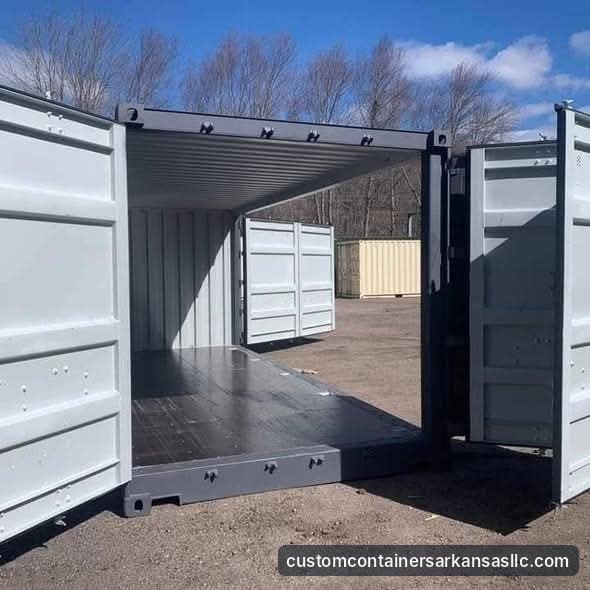
If you'll be pulling machines in and out all the time, a 20ft open-side container lets you open the long side and drive or carry things straight in, instead of unloading from the back to reach what you need.
A few rules of thumb help with the size decision. If several hunters share the camp, each with a machine and a pile of stands, plan for more room than the list on paper suggests, because gear has a way of growing every season. A big club might look at our 40ft roll-up door storage container, where each roll-up door opens its own bay (ask about partitions between them). Leave a walkway down the middle so you can reach the back without moving everything. And think about what else might end up inside later, such as a freezer, a workbench or a cleaning table. It's easier to start with a little extra space than to add a second box later.
Getting a container onto remote ground
Delivery is where hunting-land plans most often go wrong. The truck that brings your container is long and heavy, and it needs room to tilt the bed and slide the box off. Walk the route before you order and look for:
- Gates that are too narrow, and tight turns off the county road
- Low limbs over the lane
- Soft bottoms, creek crossings and wet low spots
Delta "gumbo" and river-bottom ground can stop a loaded truck after rain. In general, the safest plan is to schedule delivery during a dry spell and pick your spot well before season, not the week before opening day. Our container delivery site-prep checklist walks through ground, clearance and overhead wires.
Where to place a shipping container on hunting land
Once the truck can reach it, choose the exact spot with hunting in mind:
- Keep it away from bedding areas and food plots. Slamming doors, engines and human scent around the box will push deer.
- Stay out of low spots that hold water or flood. A container sitting in water rusts faster and is hard to get to.
- Look up. Avoid dead trees and big limbs that could fall on the roof.
- Face the doors where you can back a truck up to them, so loading is easy.
- Set it on blocks or ties so air moves under the floor and the steel stays off wet ground.
Keeping gear dry, and critters out
Containers can "rain" inside on cold mornings as moist air hits cold steel. Our blog post on how to stop shipping container condensation explains why it happens and how to fix it. For a camp, the short version is: add vents, keep gear on pallets, and don't load things wet.
A few more habits help:
- Feed and corn go in sealed metal cans or heavy plastic bins. Open bags draw rodents and raccoons.
- Scent-control clothing stays in sealed totes so it doesn't pick up fuel or musty smells.
- Fuel stays out of a closed box. Follow the label on your fuel cans, and keep fuel away from any space where people sleep or spend time.
- Firearms and ammunition: follow the law and your insurer's requirements. If in doubt, take them home.
Security when nobody's there
An empty camp in the off-season is a target. A container helps, but the setup matters:
- Use a lockbox or shroud over the door handles with a puck lock inside, so bolt cutters can't reach the shackle.
- Keep the container out of sight of the road if you can. What thieves can't see, they don't come back for.
- Put a trail camera on the door. It tells you who's been around, and a visible camera is a deterrent on its own.
- Don't leave anything valuable visible through open doors when you're on site.
- Keep track of keys. Camps often share one lock among several people, so know who has a copy and change the lock if a member leaves.
A lock slows a thief down; it doesn't stop a determined one. Insure valuable equipment and keep serial numbers and photos of your machines at home.
Storage now, a camp later
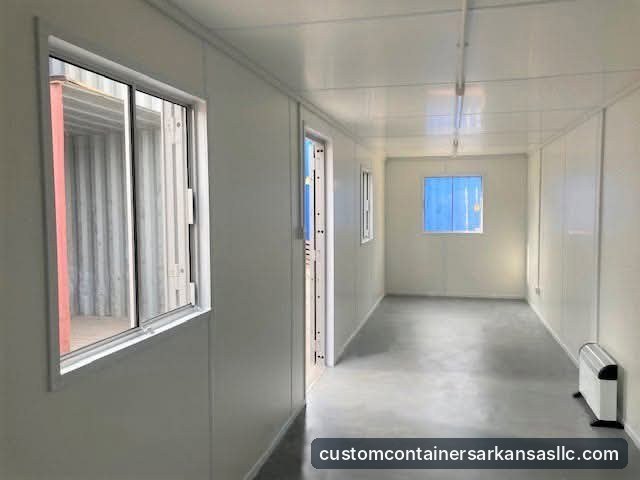
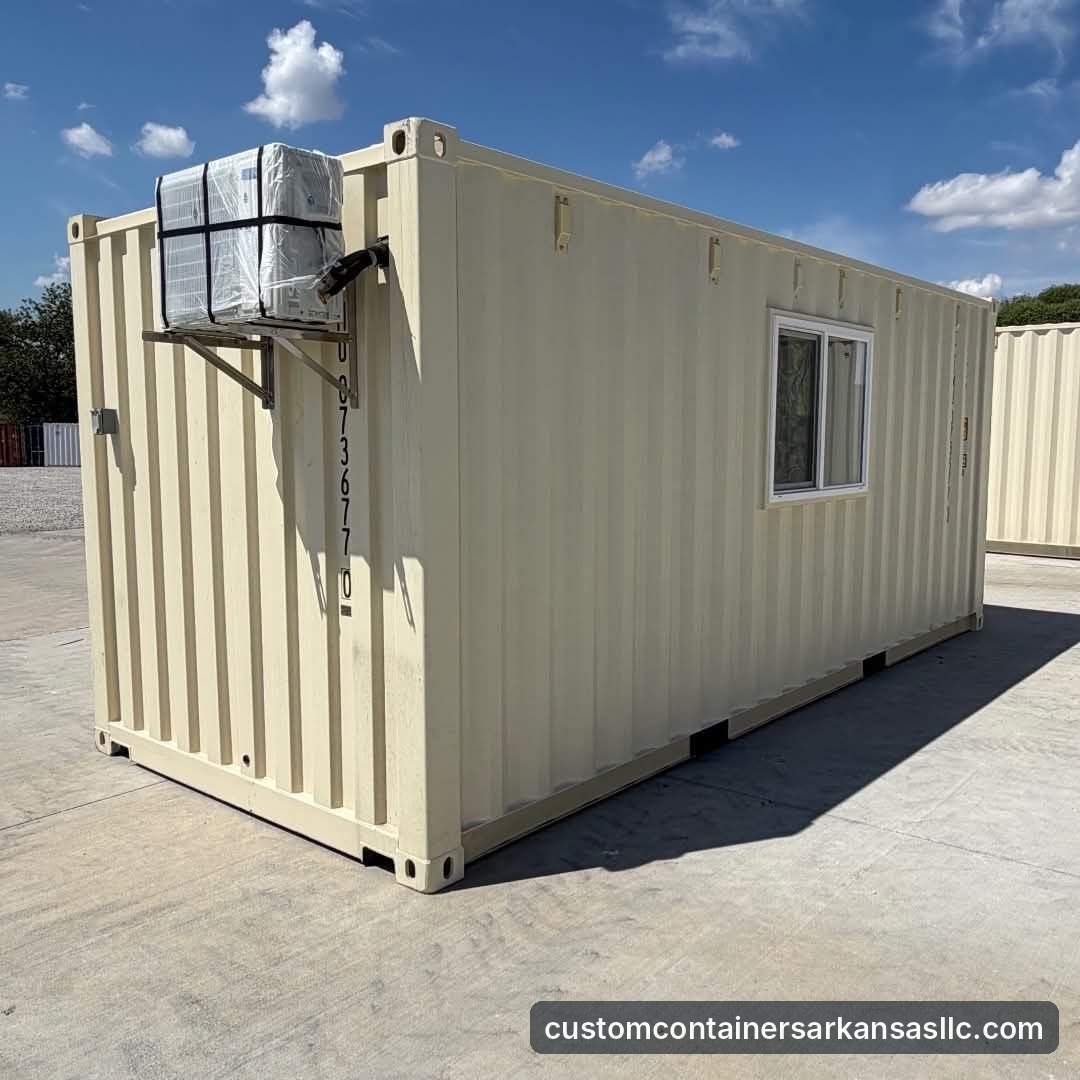
Many owners start with plain storage and later want somewhere to warm up or sleep. A container can be built out as a cabin or camper, with insulation, windows, a door and power; see our custom camper or cabin build. Add-ons are built in our Marion yard before the container ships.
Spaces people sleep in usually need local approval. Read our Arkansas container permit guide, or the permits by state guide if your land is out of state, and confirm with your county before you order.
And while you're planning, check your zone's season dates on the Arkansas Game and Fish Commission's deer seasons page so delivery doesn't land in the middle of a hunt.
Ready to set up your camp? Tell us what you need to store and where the land is, including the nearest road and ZIP. Send us the details and we'll be in touch within 1 business day with a written quote that includes delivery and sales tax.
Frequently asked questions
Can I put a container on leased hunting land?
Get the landowner's written OK first and read your lease. If the lease ends, moving the container off the property is usually your job, so plan for truck access on the way out too.
Do I need a permit to put a container on rural land?
It depends on the county and on how you use it. Rules for storage and for sleeping spaces differ. Check our permit guides and confirm with your county before delivery.