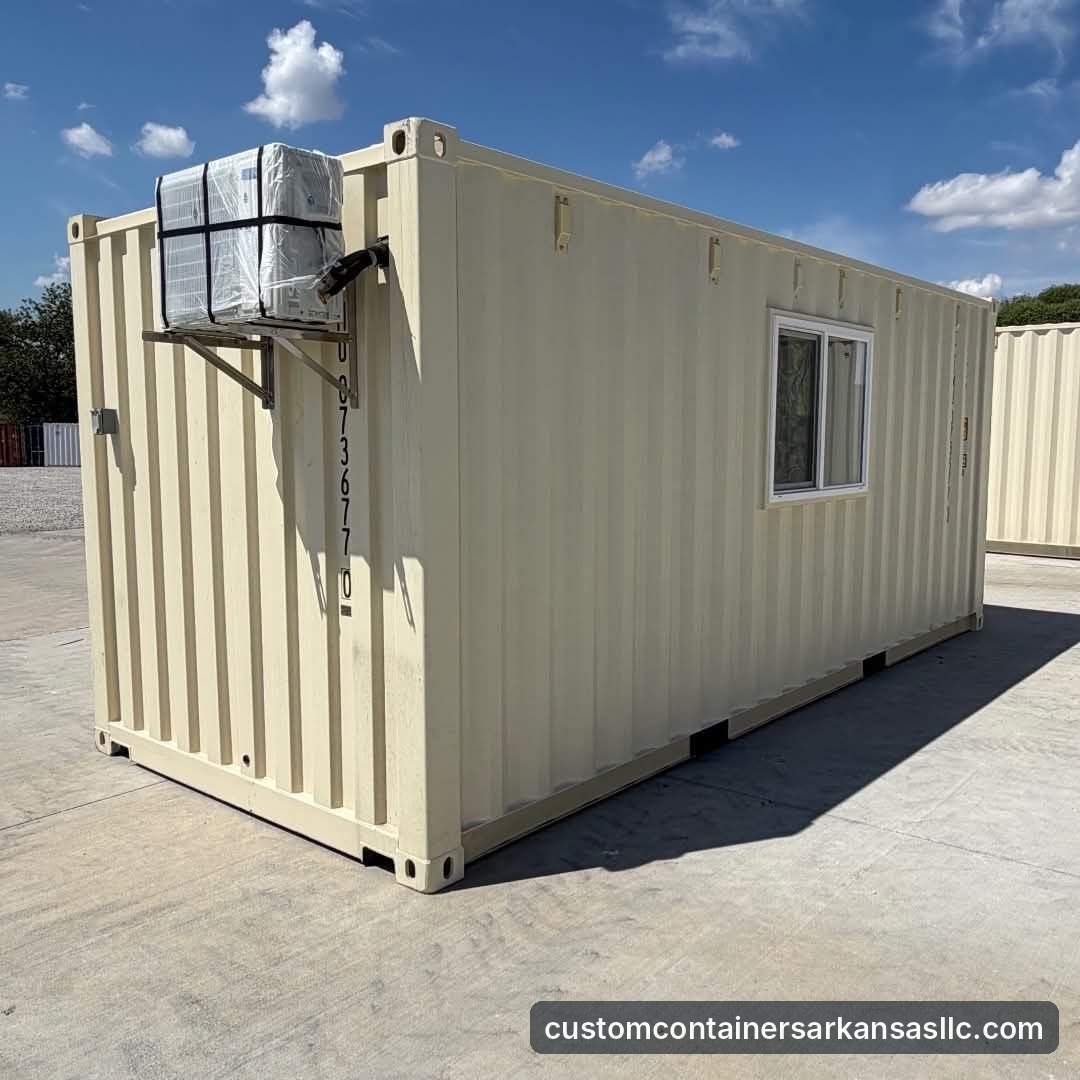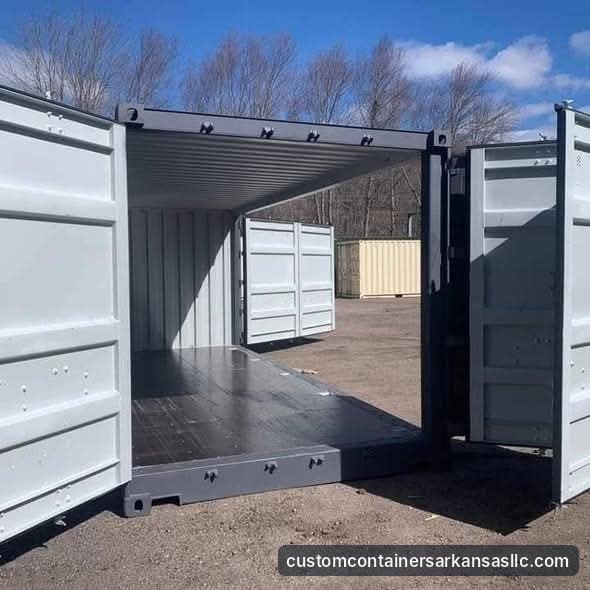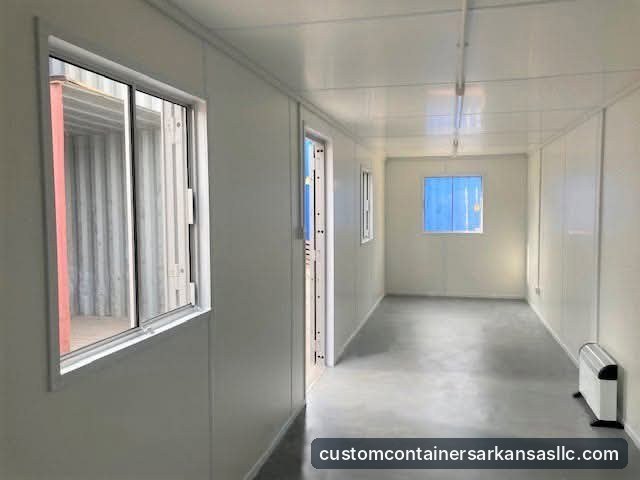
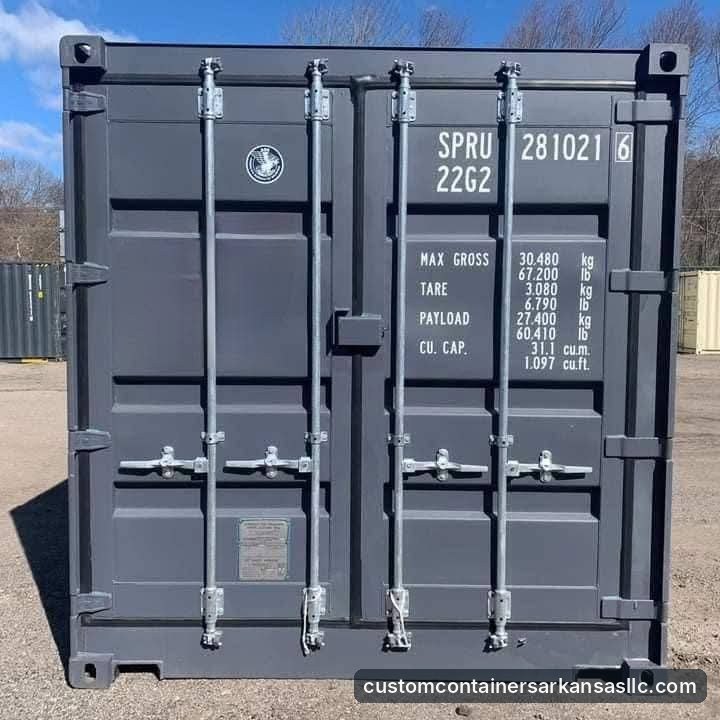
The new vs used shipping container question comes up in almost every first inquiry, and the honest answer is that it depends on two things: what goes inside, and where the box will sit. A used container that's perfect for feed and tools behind a barn can be the wrong choice for a home office in the front yard. This guide helps you decide by use, then shows you how to check the actual unit before you pay.
The short answer
- Choose used for plain dry storage where looks don't matter: farm, shop, job site or behind a building.
- Choose new (one-trip) if you'll cut the walls for doors or windows, or build an office, studio or cabin.
- Choose new (one-trip) if the container will sit somewhere people see it every day, like a storefront, a front yard or a church campus.
What "new" means: one-trip containers
In the container trade, "new" almost always means one-trip, meaning the container was built overseas and shipped across the ocean with a single load before being sold. Containers are built where goods are made, so this is how new boxes reach the US.
A one-trip container has clean paint, straight walls, tight door seals and a clean floor. It isn't showroom-perfect, though. Expect light scuffs, scratches and the odd small dent from loading, the voyage and handling at the port. That's normal and doesn't affect how the box performs.
One-trip doesn't mean the container has never been touched. It has been lifted by cranes, stacked on a ship and trucked from the port. What it does mean is that it hasn't spent years in service, so the steel, seals and floor have seen far less wear than a box that has made many voyages.
What "used" covers
"Used" is a wide range. Used containers are commonly sold under labels like:
- Cargo-worthy (CW): still fit to carry freight.
- Wind and watertight (WWT): keeps rain and wind out, with more cosmetic wear.
- As-is: sold with known problems, such as holes or damaged doors, that you'll need to repair.
These grade names aren't used the same way by every seller. One yard's "cargo-worthy" can look different from another's. So don't rely on the label alone. Ask for recent photos of the actual unit you'll receive and get its condition in writing. Our written quotes show the condition of the container we're quoting. We'll also cover grades in more depth in a separate guide.
New vs used shipping container, side by side
| New (one-trip) | Used | |
|---|---|---|
| Appearance | Even paint, straight walls, few marks | Faded or patchy paint, dents, patches and old markings |
| Doors and seals | Doors swing easily; gaskets fresh and flexible | Varies by unit; check that doors latch and gaskets aren't torn or flattened |
| Floor | Clean, with little staining | Stains, wear and possible soft spots, especially near the doors |
| Dents and rust | Minor scuffs at most | Surface rust is common; check rails, corners and the roof for deeper rust |
| Ease of modifying | Easier: straight steel, clean surfaces to weld, paint and seal | Workable for simple add-ons; dents and rust make big cuts and finishes harder |
| Resale | Holds up better if you sell or move it later | Depends on condition at the time |
| Suits | Offices, studios, cabins, visible spots, long-term use | Dry storage, farms, job sites, short-term needs |
When used is the smart choice
A used container makes sense when the box is a tool, not a showpiece:
- Farm and shop storage, such as feed, parts, tools and equipment.
- Job sites, where it'll get mud on it and be moved when the work ends.
- Behind a building or out of sight, where nobody cares about faded paint.
- Short-term needs, like a remodel or a season of extra storage.
For any of these, a sound used container does the same job as a new one. The things that matter are a roof that sheds water, doors that close and seal, and a solid floor. A few dents and some faded paint don't change any of that. If you're not sure how much room you need, our guide to which size you need compares 20ft and 40ft containers, and the calculator on our what size shipping container do I need page turns your list of contents into a rough size.
A used container isn't the right pick if you need it to look sharp from day one, or if you're storing something that can't handle any risk of a drip, such as paper records or upholstered furniture, unless you're ready to check the roof closely and manage moisture inside. In those cases, either buy one-trip or plan for some work on a used box before you load it.
When one-trip is worth it
One-trip is worth it when:
- You'll cut the walls for doors, windows or vents. Straight, clean steel is easier to cut, frame and seal.
- People will work or sleep inside, as in offices, studios and cabins. The finish lasts longer when it starts on sound steel.
- The container is on display, in a front yard, at a storefront or on a campus.
- You plan to keep it a long time and want to start with the least wear.
For living or working spaces, the floor matters too. Container floors are often treated for shipping, so ask what's on the floor and plan to seal or cover it. We'll go into floors and treatments in a later post.
All of our modifications built in our Marion yard can be added before the container ships, whichever condition you choose.
Check the actual container before you pay
Whether you buy new or used, check the unit you're getting rather than a stock photo. At a minimum:
- Get photos of the actual unit: both sides, both ends, the roof, the inside and the floor.
- Find the CSC safety approval plate, usually on a door. The International Container Bureau (BIC) explains this plate, which records the container's safety approval and its examination details. Before you trust a "certified" or cargo-worthy claim, read the plate and check its examination date or ACEP number.
- Open and close the doors. The locking bars should move freely and the doors should latch.
- Do a light test. Stand inside with the doors shut and look for daylight through the roof or walls.
For the full checklist, read our guide on how to inspect a used shipping container.
How ordering works with us
Tell us how you'll use the container, the size you want and your delivery ZIP. We'll be in touch within 1 business day with a written quote that includes delivery and sales tax, and it states the condition of the container. Payment is by bank transfer, and our bank details come with the quote. You can browse our shipping containers for sale in Arkansas or read common container questions first.
Ready to choose? Request your written quote, and delivery and sales tax will be included.
Frequently asked questions
Is a one-trip container brand new?
Close, but not showroom-new. It was built overseas and carried one load, so it can arrive with light scuffs, scratches or small dents from loading and handling.
Can a used container be modified?
Yes. Used containers are often fitted with vents, shelving, lockboxes or roll-up doors. For large wall cuts, offices or cabins, straighter walls and cleaner steel make a one-trip unit the easier starting point.
Will a used container leak?
A wind and watertight unit shouldn't. Check the roof for dents that hold water, look at the door seals, and do a light test from inside with the doors shut.